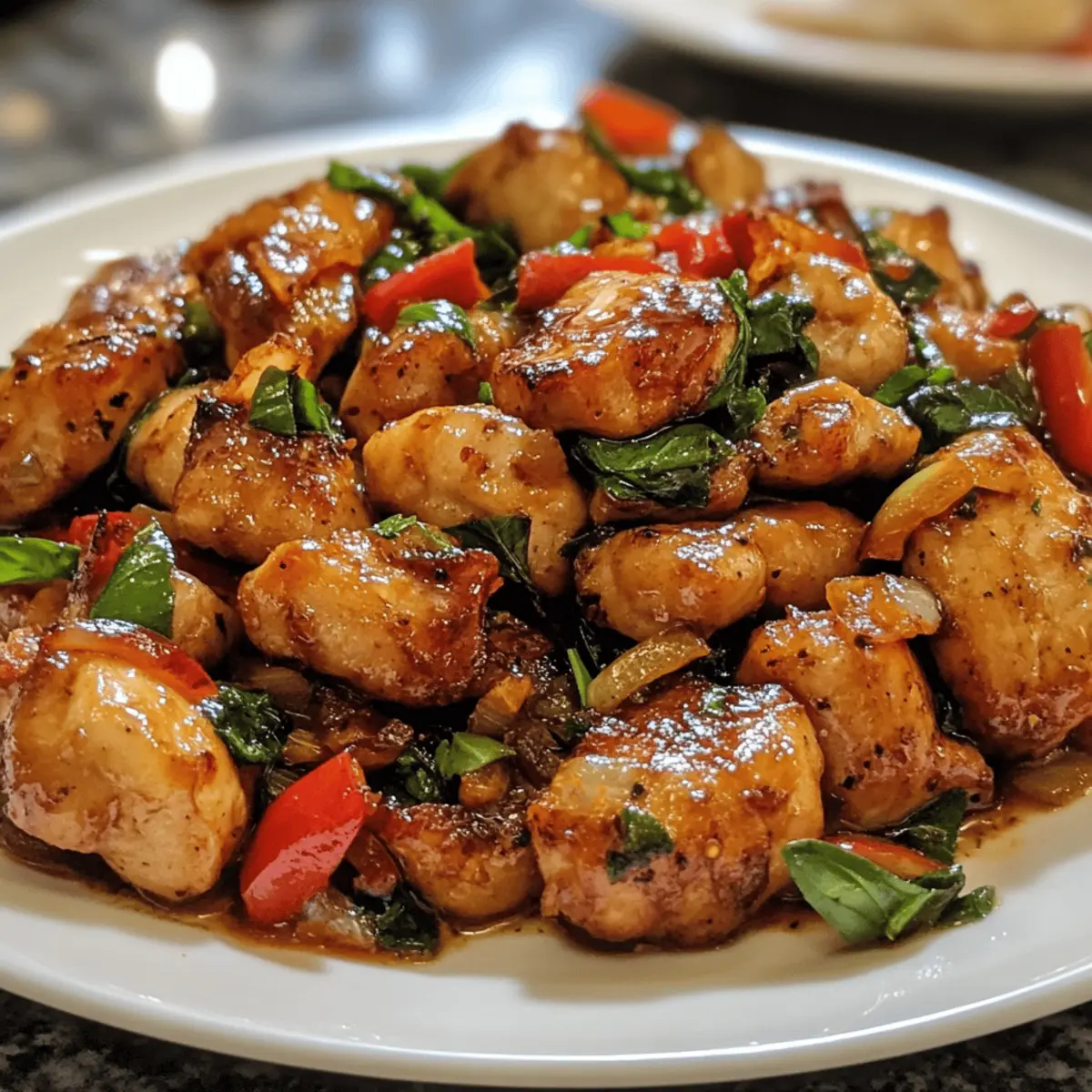
Imagine a dish that’s bursting with vibrant, savory flavors, offers a satisfying kick of spice, and comes together faster than calling for takeout. That’s the magic of Thai Basil Chicken, a beloved classic also known as Pad Krapao Gai. This iconic Thai stir-fry has captivated palates worldwide with its irresistible combination of juicy chicken, pungent garlic, fiery chilies, and the unmistakable aroma of fresh basil. Whether you're a seasoned chef or a busy home cook, this recipe promises an adventurous culinary journey right in your own kitchen, delivering a meal that’s both special and surprisingly simple.
Far from just a quick meal, homemade Thai Basil Chicken offers a fresher, more balanced experience than its takeout counterpart. It’s a testament to the power of simple, high-quality ingredients transformed by high heat into something truly extraordinary. But what truly elevates this dish, giving it its signature depth, is the choice of basil – a nuance often overlooked but essential for unlocking its boldest flavors. We’ll delve into the authentic roots of this dish, explore the crucial distinction between Krapao (Holy Basil) and Horapa (Thai Purple Basil), and equip you with all the tips to craft your perfect version, any night of the week.
Unveiling the Essence of Thai Basil Chicken (Pad Krapao Gai)
At its heart, Thai Basil Chicken, or Pad Krapao Gai, is a quintessential Thai stir-fry. The name itself, "Pad Krapao Gai," directly translates to "stir-fried holy basil with chicken," highlighting the central role of this aromatic herb. This dish isn't merely a collection of ingredients; it's a symphony of textures and tastes: tender pieces of chicken (traditionally minced or ground), minced garlic, and a generous amount of fresh chilies are rapidly stir-fried in a searing hot wok. This initial burst of aromatics sets the stage for a rich, savory sauce – a harmonious blend of soy sauce, oyster sauce, and a touch of sugar, sometimes a dash of fish sauce, that coats every single component with umami goodness.
The beauty of Pad Krapao Gai lies in its simplicity and the intensity of its flavor profile. It's bold and salty with a subtle sweetness, punctuated by the unmistakable heat from the chilies. What truly distinguishes it, however, is the incorporation of fresh basil right at the end of the cooking process. Stirred in just enough to wilt, the basil releases its complex, aromatic oils, infusing the entire dish with its distinctive perfume. This method ensures the basil remains vibrant, adding a fresh, herbaceous counterpoint to the rich, savory meat. Traditionally, this flavorful chicken mixture is served generously over a bed of fluffy jasmine rice, allowing the rice to absorb every drop of the delicious sauce, making for a truly satisfying and complete meal.
While the traditional version boasts a fiery kick, the versatility of Thai Basil Chicken makes it highly adaptable for home cooks. You can easily adjust the spice level to suit your palate without sacrificing the dish's inherent boldness, thanks to the robust flavors contributed by the garlic and the savory sauces. This adaptability, combined with its rapid preparation time, makes it an ideal choice for a quick yet authentic weeknight dinner that feels like a special occasion. For more insights on making this dish truly your own, check out our guide on Healthy Thai Basil Chicken: Quick, Easy & Customizable for Home.
The Basil Battle: Krapao (Holy Basil) vs. Horapa (Thai Purple Basil)
The very soul of Thai Basil Chicken hinges on its namesake ingredient: basil. Yet, in the world of Thai cuisine, "basil" isn't a single entity. There are distinct varieties, and understanding their differences is key to achieving an authentic flavor profile. The two primary contenders for this dish are Krapao (Holy Basil) and Horapa (Thai Purple Basil), each bringing its unique character to the table.
Krapao: The Traditionalist's Choice
Krapao, or Holy Basil, is the undisputed traditional basil for Pad Krapao Gai. In Thai culture, it’s revered not only for its culinary uses but also for its medicinal properties. Holy basil leaves are characterized by their slightly hairy stems, jagged edges, and often a rougher, more robust appearance compared to other basil types. But it's the flavor where Krapao truly shines: it boasts a strong, pungent, peppery, and almost spicy flavor with subtle clove-like undertones. This intense flavor doesn't just add a hint of aroma; it provides a bold, almost assertive kick that is fundamental to the authentic taste of Thai Basil Chicken. When holy basil is used, it’s not just an herb; it’s a co-star, contributing significantly to the dish's signature spicy and aromatic profile.
Horapa: The Readily Available Alternative
While Krapao is traditional, it can be notoriously difficult to find outside of Asian markets or specialized herb growers, especially in Western countries. This is where Horapa, or Thai Purple Basil, steps in as a widely accepted and excellent substitute. Horapa is more commonly found in regular grocery stores and is recognizable by its smooth, shiny, dark green leaves and distinctive purple stems and flowers. Its flavor profile is sweeter, with notes of anise or licorice, and a milder peppery undertone compared to holy basil. While it won't replicate the exact fiery punch of Krapao, Horapa still imparts a beautiful, fresh, aromatic quality that complements the savory chicken and spicy chilies wonderfully. Many home cooks and even some restaurants outside of Thailand use Horapa for convenience, and the result is still a delicious and highly enjoyable Thai Basil Chicken dish, albeit with a slightly different flavor nuance.
Ultimately, the choice of basil will significantly influence your dish. For an authentic, bold, and fiery experience, seek out Krapao. If convenience and a sweet, aromatic twist are your priority, Horapa is a fantastic and widely accessible option that will still deliver a truly satisfying meal. Even common sweet basil can be used, though its flavor will be notably milder.
Crafting Your Perfect Thai Basil Chicken: Tips & Customizations
One of the many joys of cooking Thai Basil Chicken at home is the freedom to customize it to your personal preferences. From adjusting the heat to incorporating your favorite vegetables, this dish is wonderfully flexible.
Mastering the Heat
The traditional Pad Krapao Gai is known for its exhilarating spiciness, often achieved with Thai bird's eye chilies. However, if you prefer a milder experience, don't shy away from this recipe. You can easily control the heat by:
- Reducing the number of chilies: Start with just one or two, or omit them entirely.
- Removing the seeds: Most of the capsaicin (the compound responsible for heat) resides in the seeds and membranes.
- Using milder chilies: Bell peppers or jalapeños can offer a hint of freshness without the intense heat.
Choosing Your Chicken
While the term "Gai" refers to chicken, the specific cut can vary. Ground chicken is a popular choice for its quick cooking time and ability to soak up the sauce beautifully, making it an excellent option for a rapid stir-fry. However, you can also use thinly sliced chicken breast or thigh meat. For the most tender and juicy results, ensure your chicken is cut into uniform, bite-sized pieces to promote even cooking. Ground chicken is often favored for its authentic texture in Pad Krapao, creating a wonderful crumble that blends seamlessly with the sauce and basil.
The Art of the Sauce
The savory sauce is the backbone of your Thai Basil Chicken. A typical blend includes:
- Oyster Sauce: Adds umami, sweetness, and a thick consistency.
- Soy Sauce (light or dark): Provides saltiness and depth.
- Fish Sauce: Essential for authentic Thai flavor, adding a salty, funky umami.
- Sugar: Balances the savory and spicy notes.
Making it a Full Meal
While traditionally served with jasmine rice, there are many ways to make your Thai Basil Chicken a complete and satisfying meal:
- Add Vegetables: Incorporate thinly sliced bell peppers, green beans, onions, or mushrooms for added nutrition and texture. Stir-fry them with the chicken for a minute or two before adding the sauce.
- Fried Egg (Kai Dao): A common accompaniment in Thailand is a crispy fried egg (kai dao) served on top, with its runny yolk enriching the entire dish.
- Alternative Servings: Serve it in lettuce cups for a low-carb option, or even over noodles for a different texture.
Why Homemade Thai Basil Chicken Reigns Supreme
In a world often reliant on quick takeout, the act of preparing Thai Basil Chicken at home is a rewarding experience that offers numerous benefits. First and foremost, you gain complete control over the quality of your ingredients. You can choose fresh, locally sourced chicken, select your preferred type of basil, and ensure that every chili is exactly to your liking. This control translates into a dish that is not only fresher and more vibrant in flavor but also often healthier, as you can manage the amount of oil, sodium, and sugar used.
Furthermore, the speed at which this bold and flavorful meal comes together is truly remarkable. With just a few simple steps and the magic of high heat stir-frying, you can create a restaurant-quality dinner in under 30 minutes. This makes Thai Basil Chicken an indispensable weeknight solution, proving that extraordinary flavor doesn't have to be complicated or time-consuming. It's a reliable recipe that consistently delivers a balanced, satisfying, and utterly delicious experience, making it arguably better than anything you could order. If you're looking to shave off even more time, explore our tips in Minute Thai Basil Chicken: Better Than Takeout Pad Krapow.
In conclusion, Thai Basil Chicken, whether made with the assertive kick of traditional Krapao or the sweeter aromatics of Horapa, is more than just a recipe; it's an invitation to explore the rich tapestry of Thai flavors in your own kitchen. Its versatility, speed, and undeniable deliciousness make it a dish worth mastering. So, gather your ingredients, fire up your wok, and prepare to unlock bold flavors that will transport your taste buds straight to the bustling streets of Thailand. Happy cooking!
